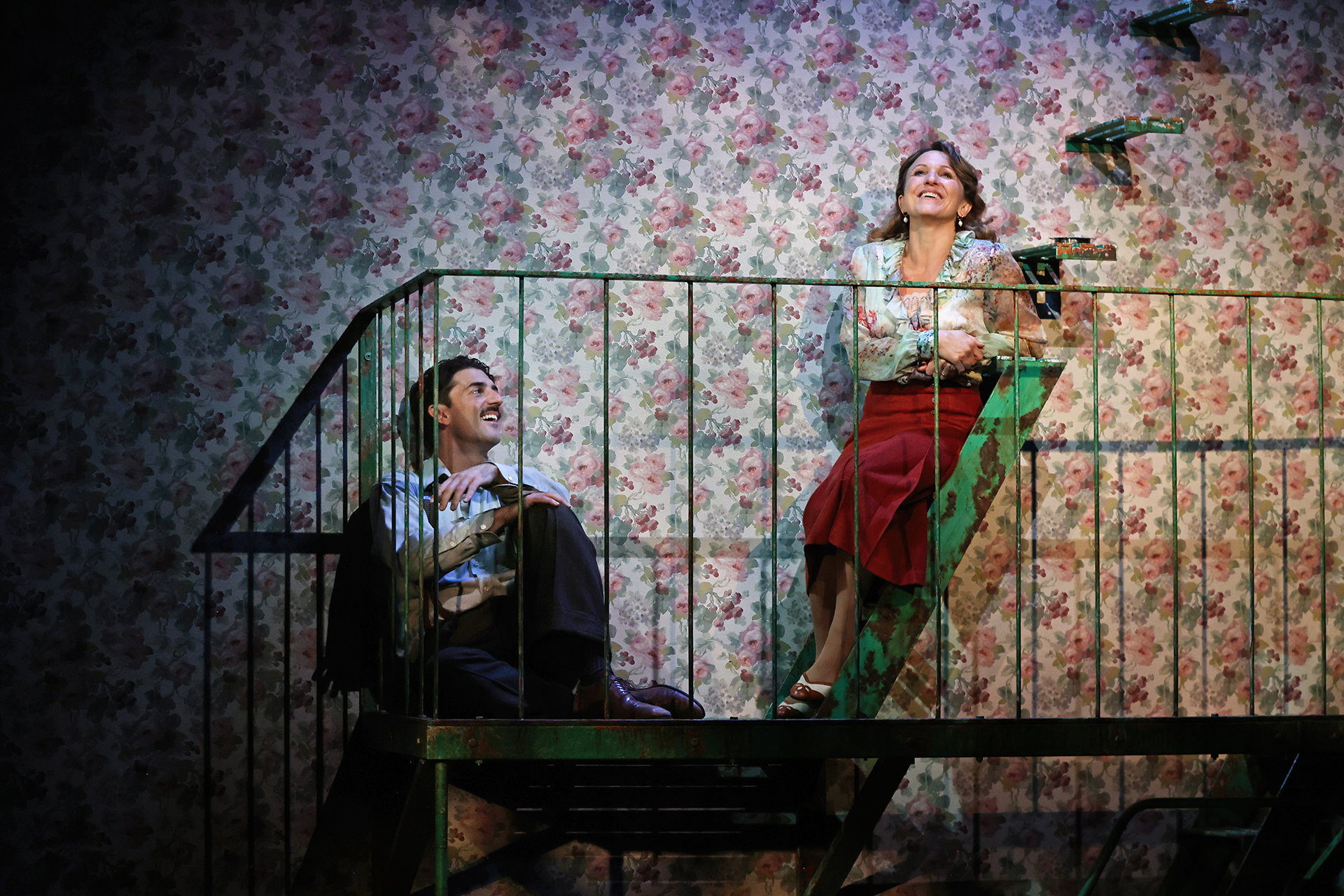
It would be fair to say that the Glass Menagerie has become a staple in the modern American theatre canon. Set in 1930s St Louis, the play details the story of matriarch Amanda Wingfield and her children Tom and Laura, with the narrative told from the memory of Tom, who serves as the narrator. With the Ensemble Theatre increasingly focussed on newer or less commonly performed works, this certainly represented somewhat of a change in programming, but given the acclaim of this particular play, it was a clever classic to showcase.
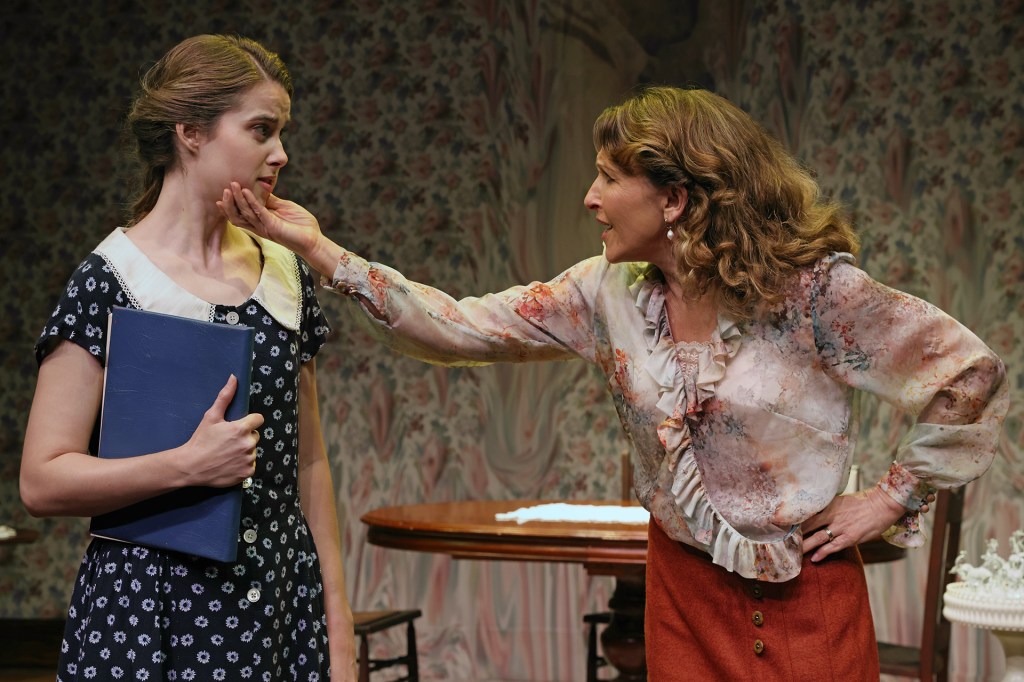
For a play set nearly 100 years ago and written not long after, the play still feels strikingly relevant to a modern-day audience. The play confronts issues of loneliness and regret, with a healthy degree of narcissism and self-preservation present as well. The action in the production centres around Tom’s invitation of a “gentleman caller”, his friend Jim, to the house who turns out to be the high school crush of Laura. Enamoured by her descriptions of him, Jim and Laura begin to talk before things quickly unravel. The ending of the play is heart-wrenching and ultimately, it is the one innocent character in the production who is left betrayed by all those around in a poignant exposition on individualism in society.
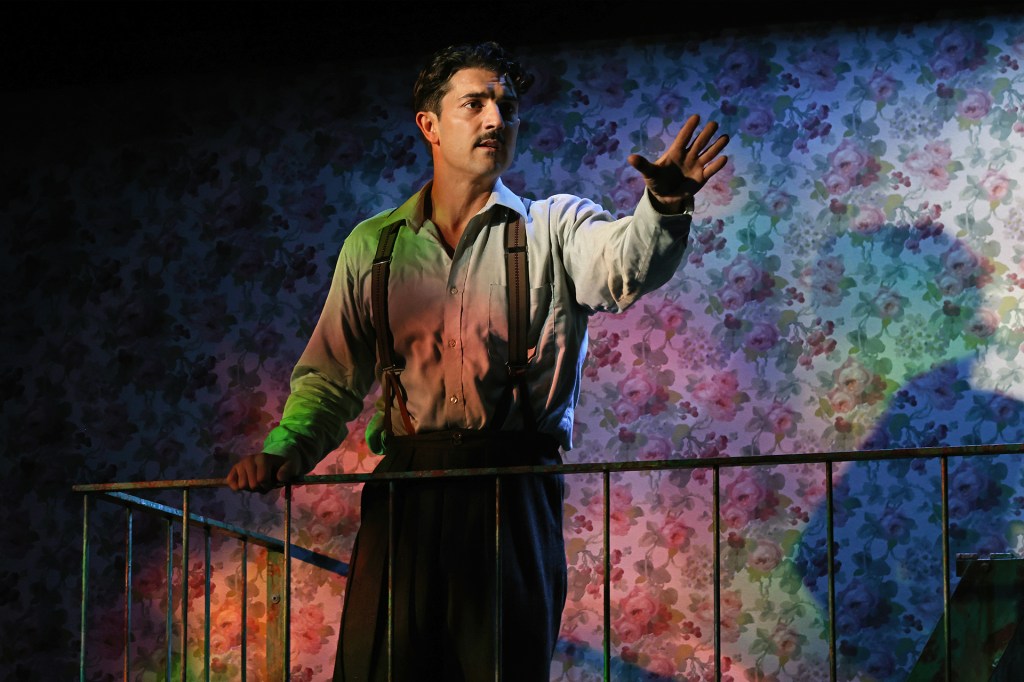
The play is quite long but its substance and clever craftsmanship mean that the length isn’t felt as dramatically as some other productions of similar length. Grace Deacon’s set and costuming are minimalist and reflective of the times but are clever constructed to draw focus on the focal elements of the play (being the photograph of an absent father on the wall, the glass menagerie and the phonograph.
The acting is also relatively strong throughout this production. Danny Ball as Tom is a standout with a commanding portrayal that displays authority and gravitas at every step. Doubling as the narrator of the production, the character has to set out and convey all the moral quandaries that beset the production and Ball does this while maintaining the duality of Tom as well, with the tension between his love for his mother and sister as well as his desire to leave to see the world being a large part of the play.
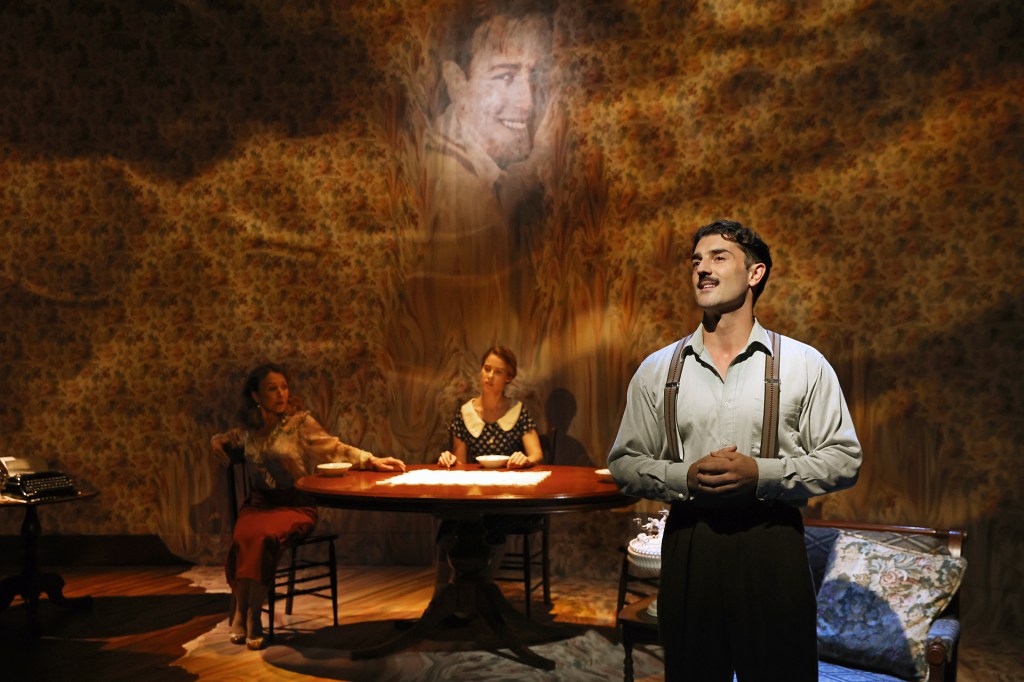
Bridie McKim is also superb, carrying the show post the intermission with a powerful performance. Her exploration of loss and betrayal in the second act is visceral and emotional for the audience, working well with Tom Rodgers as Jim to keep the story moving. Blazey Best is also strong as Amanda, although her performance is somewhat overdone at times, especially in the second act. As strong as some of the acting is throughout the play, the accent work lets it down in parts, with many of the characters slipping back into quasi-Australian accents briefly throughout the play, which pulls focus.
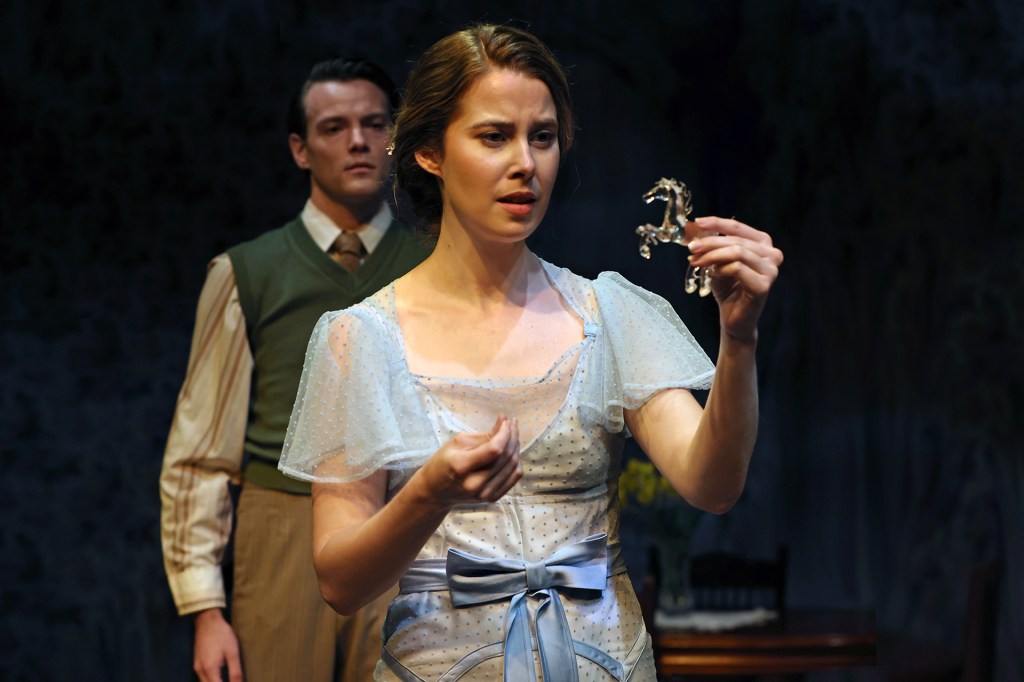
Ultimately, The Glass Menagerie is a play that feels strikingly relevant today and is well performed by the cast of this production. While there are some occasional slips throughout the performance, this is largely very well acted and constructed by the Ensemble team and despite its runtime, is compelling in its exploration of self-obsession and regret. Another strong production in what is becoming an intriguing Ensemble season.
Rating: ★★★★
The Glass Menagerie plays at the Ensemble Theatre until 26th April 2025. For more information, click here.
All photo credits: Prudence Upton

 Musicaltheatre.au - Australian music and theatre reviews