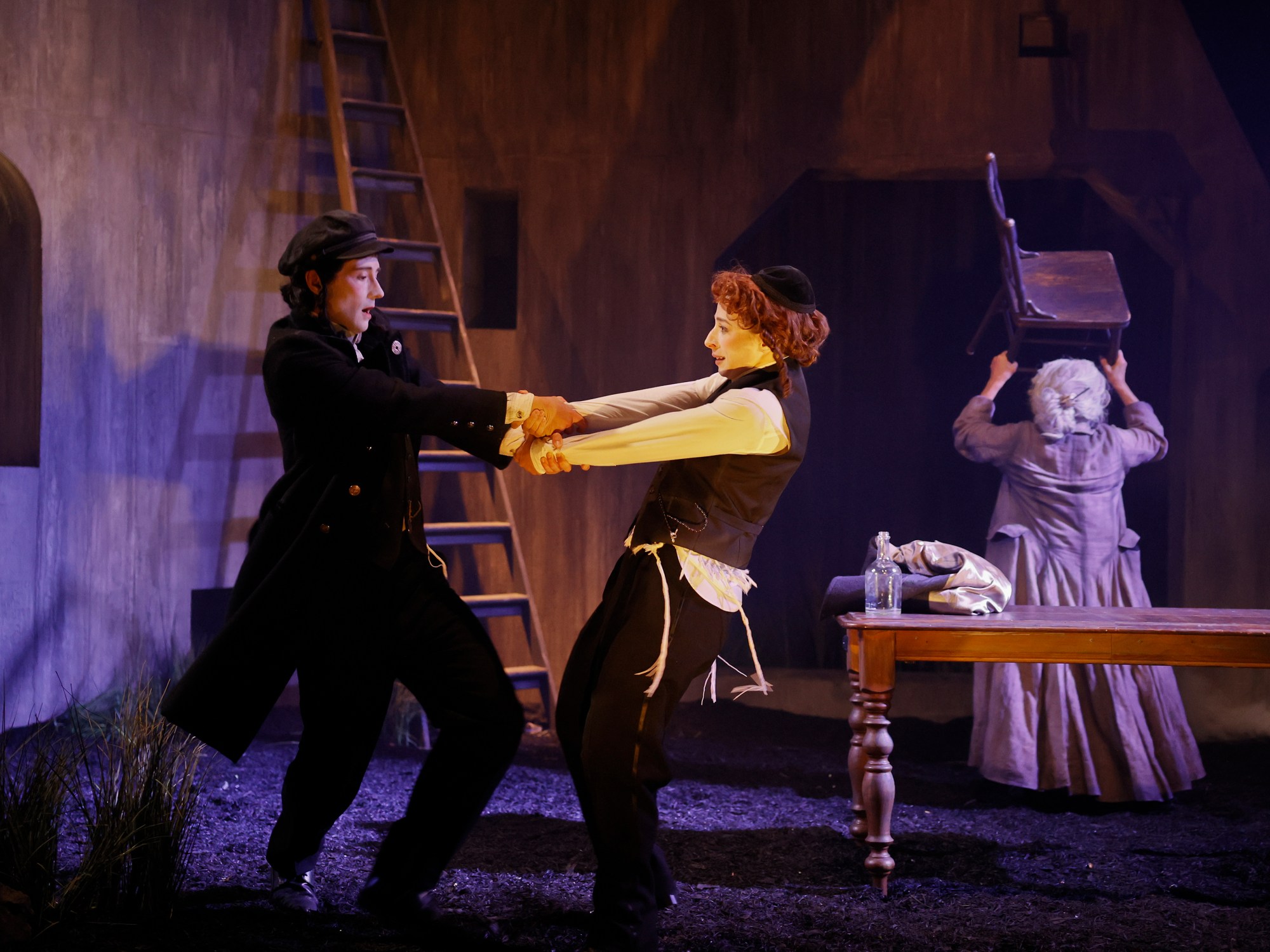
Modern day theatre often has to take a balance between conservative values and progressive thoughts. In part, this is due to the demographics of theatre itself and the need to balance the introduction of new audiences with those that have already fallen in love with the genre. In some ways, Yentl, has to balance this very same dilemma, reimagining a story that deals with feminism as well as gender roles and their intersection with orthodox religion. And it does so extremely well, using comedy to illuminate the themes of the original Yiddish short story that still ring true today.
Yentl tells of a young woman who decides that she wants to pursue an academic lifestyle within the Jewish faith, where an orthodox view prevents women from studying. She studies the Torah and meets a tutor, for whom she pretends to be a man to continue learning. A slightly farcical and even more tragic love triangle ensues, where all the characters need to confront their ideas of gender, sexuality and love.
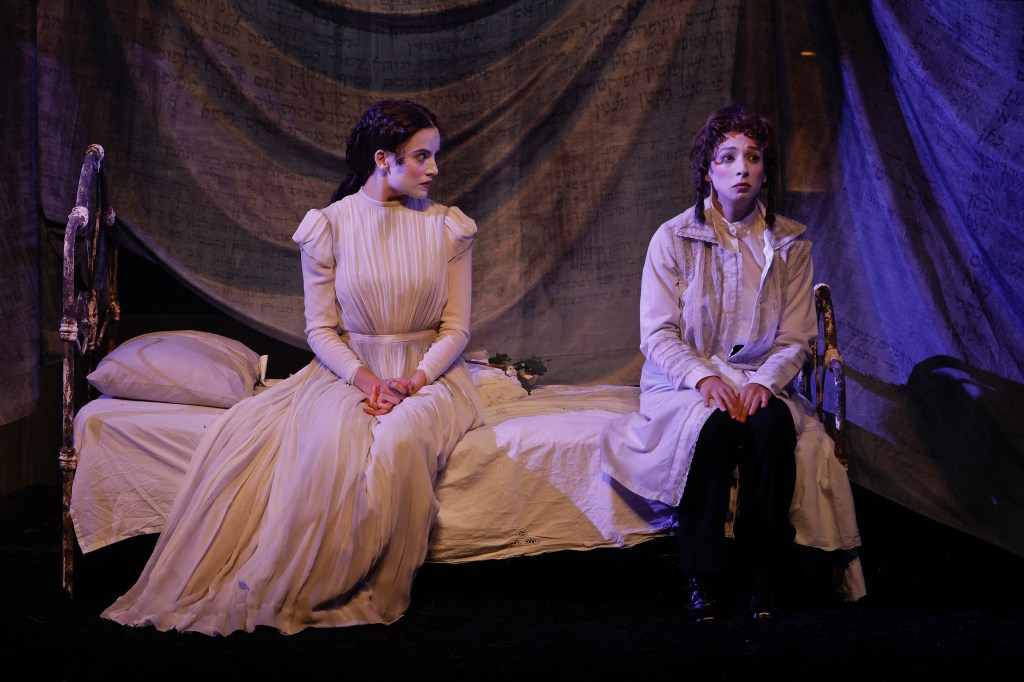
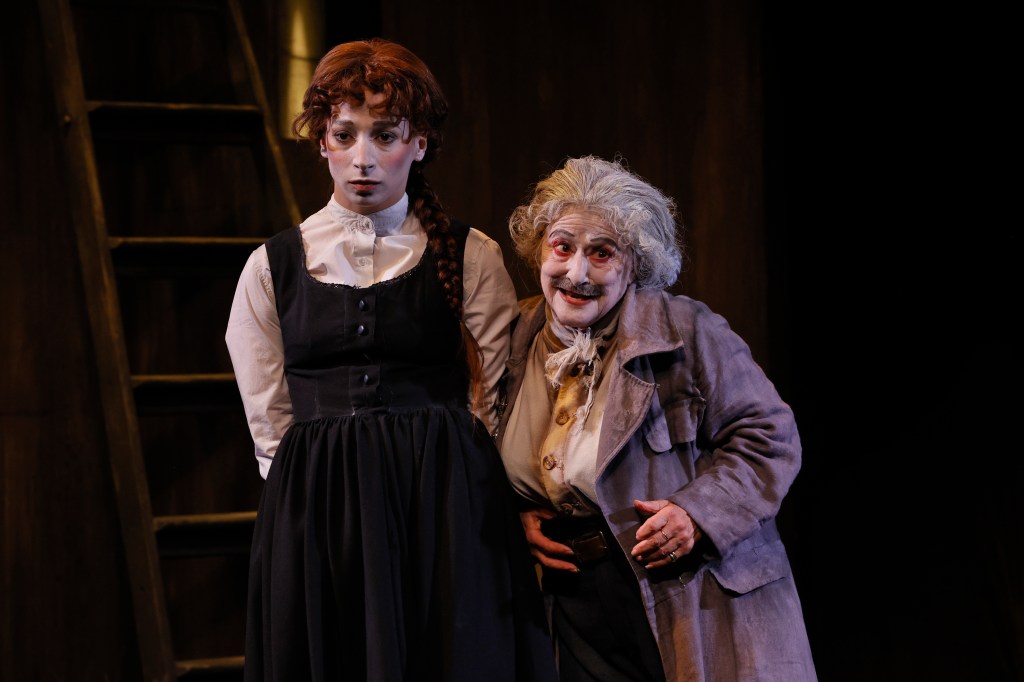
The acting in the play is sublime, led by Evelyn Krape who is a fantastic narrator of the story. She brings the perfect balance of humour and movement to the story which provides the necessary energy and impetus to keep the audience engaged and the plot driving along. Nicholas Jaquinot is very strong as Avigdor as is Genevive Kingsford as Hodes in their portrayals of largely archetypal roles which serve to highlight the difference that Yentl has. In this regard, Amy Hack, playing the titular character is superb, conveying the complexities of her story and of her inner struggle with the utmost conviction.
It is particularly impressive that none of the actors spoke fluent Yiddish before commencing work on the show. To have such works that preserve language in this way is a fantastic thing and must only be encouraged further as a creative use of theatre (even as a historical tool).
When stories are so heavily context-dependent, they can often fall flat in an audience that does not fully grasp the intricacies and nuance of the history that grounds a play. However, in this case, the humour, as well as the balance of English and Yiddish with English subtitles means that the story remains relatively accessible and easy to follow for someone without a deep critical grounding in the subject matter. Additionally, it helps that the themes discussed are relatively universal in their application even if the context is specific which allows viewers to resonate with the story in their own way.
While the play is largely exceptionally well-executed, it starts a little slow before picking up steam at the end of the first act. Arguably, this play could have been condensed a little and could have still had a similar impact given that a lot of the exposition at the start of the play is threaded through the rest of the play as it progresses. Additionally, some of the nudity feels somewhat gratuitous, especially in the first act and could offend some audiences. There are also a few minor technical slips meaning that the English speaking audience does not have a direct translation for the Yiddish on screen.
Overall, this is a largely well-constructed narrative, with a healthy dose of humour to make the more serious themes of the play more accessible. While the play could have perhaps had the same impact with a touch less material, the acting is superb throughout and lifts the play up a level. The importance of art as a tool to challenge and maintain history (in this context, to maintain the endangered Yiddish language) is something that cannot be understated and for this reason, this is, without a doubt, a play that deserves to be heard and seen on broad stages.
Rating: ★★★★
Yentl plays at the Playhouse at the Sydney Opera House until 10th November 2024. For more information, click here.
All photo credits: Jeff Busby

 Musicaltheatre.au - Australian music and theatre reviews